How long will a dental crown protect a weakened or damaged tooth? Dental crowns in Riverdale can remain functional for many years; however, this isn’t the case for everyone. A crown can last a long time depending on oral hygiene, diet, teeth grinding, the condition of the underlying natural tooth, and regular dental visits. Becoming aware of what can affect a crown’s lifespan will ensure proper care and prompt evaluation when needed.
How Long Do Dental Crowns Usually Last?
A well-maintained dental crown often lasts about 10 to 15 years, although some may remain in good condition for longer. This is a general estimate, not a guarantee. A crown may need replacement sooner if it becomes damaged, worn, loose, or affected by decay around the tooth.
Regular dental visits at a dental clinic near you can help monitor the crown and the underlying tooth.
What Can Affect a Crown’s Lifespan?
Several factors can affect how long a crown lasts. Taking good care of it every day is important, but the health of the tooth under the crown matters too.
Factors that may affect its lifespan include:
- Brushing and cleaning between the teeth regularly
- Frequent exposure to sugary foods and drinks
- Teeth grinding or clenching
- Biting hard objects or foods
- The amount of natural tooth remaining.
- The fit and condition of the crown
- Changes in the gums surrounding the tooth
- Regular dental examinations
A crown does not make a tooth immune to decay or other dental problems, so normal oral care remains important.
Why Do Dentists Recommend Crowns?
The question “Why do dentists push for crowns?” may arise when a crown is recommended for a damaged tooth. A crown may be recommended when a tooth has lost enough structure that a regular filling may not provide the needed support.
Possible reasons include:
- A tooth has extensive decay.
- A large filling has weakened the remaining tooth.
- A tooth is cracked or significantly worn.
- A tooth has had root canal treatment and needs additional protection.
- A damaged tooth needs its shape and function restored.
A crown is not automatically the right choice for every damaged tooth. The recommendation depends on the condition of the tooth and how much healthy structure remains.
How Do You Know When a Crown Needs Replacing?
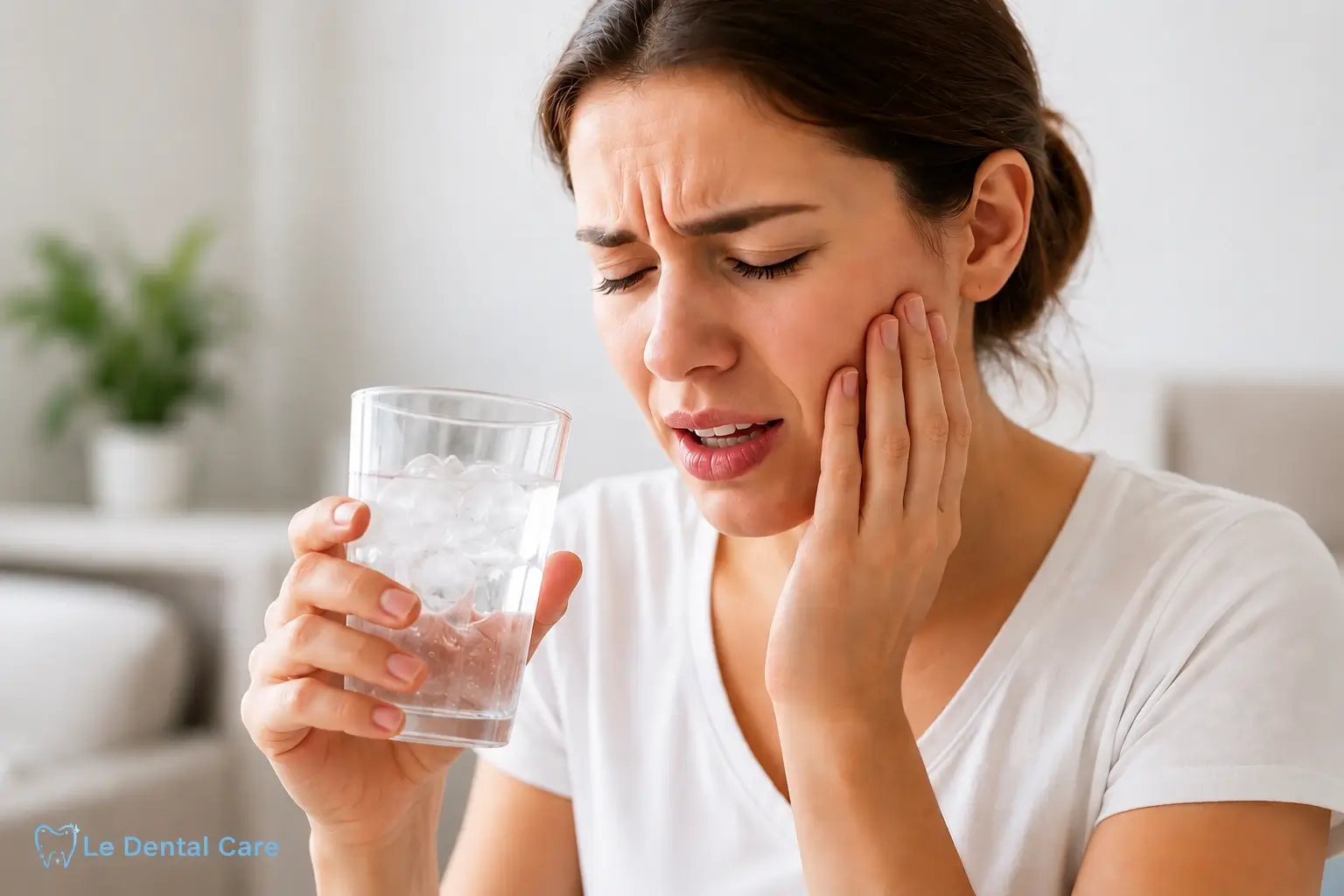
Knowing how to tell when a crown needs replacing can help identify when a dental checkup is needed. A crown may require assessment if there is pain, sensitivity, looseness, visible damage, or a change in how the teeth come together when biting.
Possible warning signs include:
- A crown feels loose or moves.
- A piece of the crown has chipped or broken.
- Pain develops around the crowned tooth.
- The tooth becomes sensitive to temperature.
- Food repeatedly gets trapped around the crown.
- The gums around the crown become swollen or irritated.
- The crown no longer feels comfortable when biting.
These signs do not always mean the crown must be replaced. An examination is needed to determine whether the crown can be repaired, adjusted, monitored, or replaced.
Can a Crown Be Replaced More Than Once?
How many times can a crown be replaced? No fixed number applies to every tooth. Replacement depends on the condition of the crown, the supporting tooth, and the surrounding tissues.
Each replacement may require some adjustment or preparation of the tooth. If the natural tooth becomes too weak or damaged, another treatment may eventually be necessary.
For this reason, preserving the health of the crowned tooth is important.
How Can You Make a Crown Last Longer?
A few simple habits can help protect both the crown and the tooth underneath it.
- Daily care
- Brush twice a day with fluoride toothpaste.
- Clean between the teeth every day.
- Follow any personalized dental care instructions.
- Limit frequent sugary snacks and drinks.
- Protect the crown
Avoid using the crowned tooth to bite hard objects such as ice, pens, or fingernails. If teeth grinding or clenching is a concern, discuss it during a dental visit because repeated pressure can contribute to wear or damage.
A Dental Clinic in Riverdale can also check the crown during routine visits and look for changes that may not be easy to notice at home.
Does a Crown Need Special Cleaning?
A crown can be cleaned in much the same way as a natural tooth. Brushing helps clean the crown and gumline, while cleaning between the teeth helps remove plaque from areas a toothbrush cannot reach.
The goal is to keep the crown, nearby teeth, and gums clean. Poor oral hygiene can allow plaque to accumulate around the edges of a crown and may contribute to problems with the underlying tooth.
Give Your Dental Crown the Care It Needs!
Proper care of a crown can provide many years of service to a damaged tooth. It is, however, important to get the crown and the underlying tooth checked regularly. Schedule an appointment with Le Dental Care to have your crown and the surrounding area examined. Furthermore, let us know about any changes or discomfort that you may be experiencing. Moreover, learn ways to care for your restored tooth over time.
FAQs
Does a crown need to be replaced if it looks fine?
Not necessarily. A crown that remains functional and healthy may not need replacement simply because it has been in place for many years. Regular examinations can help determine its condition.
Can a cracked crown be repaired?
Sometimes, a minor issue may be managed without replacing the entire crown. The appropriate option depends on the location and extent of the damage.
Can a crown get a cavity?
The crown itself cannot develop tooth decay, but the natural tooth underneath or around its edges can still develop decay. Good oral hygiene remains important.
What happens if a crown becomes loose?
A loose crown should be evaluated rather than left untreated. The cause may involve the crown, the cement holding it in place, or the supporting tooth, and treatment depends on the findings.