Are full or partial dentures right for you? The choice between full and partial dentures depends on the extent of tooth loss and the condition of the remaining teeth. Dentures near you can help replace missing teeth and support everyday activities such as eating and speaking. While full dentures replace all teeth in a particular jaw, partial dentures fill selected gaps while working around remaining natural teeth. A dental assessment can help determine which option fits the mouth, comfort needs, and overall treatment goals.
What Are Full Dentures?
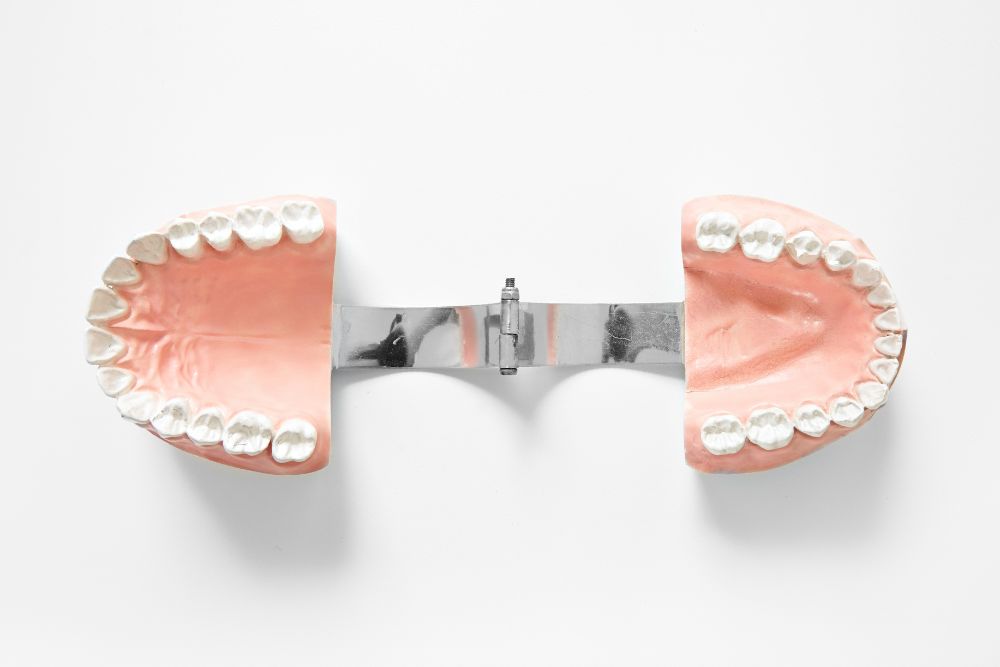
Full dentures replace all the missing teeth in the upper jaw, lower jaw, or both. They sit over the gums and look like natural teeth. They can also help you eat and speak more comfortably.
Full dentures may be considered when:
- Most or all teeth in a jaw are missing.
- The remaining teeth cannot be restored or maintained.
- A complete replacement is needed after tooth loss.
The fit of a full denture is important because it affects comfort, chewing, and the denture’s stability.
What Are Partial Dentures?
Partial dentures replace missing teeth when some natural teeth are still present. They fill the gaps and support replacement teeth.
They may be suitable when:
- Some healthy, natural teeth remain.
- The remaining teeth can provide support for the denture.
- Missing spaces affect chewing or speaking.
- A removable option is being considered.
The design depends on which teeth are missing and the condition of the remaining teeth and gums.
Is It Better to Get Partials or Full Dentures?
The question “Is it better to get partials or full dentures?” does not have one answer for everyone. A partial denture may make sense when several natural teeth can remain healthy and provide support. A full denture may be considered when all teeth in a particular jaw are missing or cannot be preserved.
The choice can depend on:
- Number of missing teeth
- Condition of the remaining teeth
- Gum health
- Jaw and mouth structure
- Chewing needs
- Overall treatment goals
A dental examination at a dental clinic near you is needed before deciding which option is appropriate.
What Are the Main Differences?
Understanding the basic differences can make the choice easier to discuss.
Full Dentures
- Replace all teeth in one jaw.
- Rest on the gums.
- They can be used for the upper jaw, lower jaw, or both.
- It may be considered when natural teeth cannot be retained.
Partial Dentures
- Replace selected missing teeth.
- Work around the remaining natural teeth.
- It can help fill several gaps in the same dental arch.
- It depends partly on the condition and position of the remaining teeth.
Neither option is automatically better. The suitable choice depends on the individual condition of the mouth.
How Does a Dental Examination Help?
A dental clinic in Riverdale, ON can assess the teeth, gums, and spaces caused by tooth loss before recommending a denture type. The evaluation may include checking the remaining teeth, looking at gum health, and considering how the teeth come together when biting.
This assessment helps determine whether remaining teeth can provide useful support or whether a full denture is more suitable.
What Is It Like to Adjust to Dentures?
Getting used to dentures can take some time. Eating and speaking may feel different at first while your mouth gets used to them.
Helpful tips include:
- Start with soft foods.
- Take small bites
- Chew slowly on both sides.
- Practice speaking often
- Clean your dentures as directed.
- Report ongoing soreness or movement
If your dentures feel uncomfortable or slip often, they may need to be checked and adjusted.
How Do You Care for Full or Partial Dentures?
Both types need regular care. Cleaning helps remove food and buildup and keeps your mouth healthy.
Basic denture care includes:
- Remove and clean your dentures as directed.
- Clean the gums and remaining natural teeth.
- Handle dentures carefully to reduce the risk of damage.
- Store dentures properly when they are not being worn.
- Attend recommended dental visits
Partial dentures need extra attention around the natural teeth that support them.
Explore the Denture Option That Fits Your Smile!
Replacing missing teeth starts with understanding your current oral health, the number of teeth you have left, and how tooth loss affects everyday activities such as eating and speaking. Book an appointment with Le Dental Care to discuss your tooth replacement needs, learn about suitable full or partial denture options, understand the care involved, and receive personalized guidance to help you make an informed decision about your next step.
FAQs
Are full dentures harder to eat with than partial dentures?
Not always. Both types of dentures take some time to get used to. How well they fit, the foods you eat, and how quickly your mouth adjusts can make a difference.
Can partial dentures replace one missing tooth?
Yes, in some cases. It depends on where the tooth is missing and the health of the nearby teeth. A dental professional can check if a partial denture is right for you.
Do full dentures replace both upper and lower teeth?
A full denture can replace all teeth in the upper jaw, lower jaw, or both. Separate dentures may be made for each jaw when needed.
How long can dentures last?
Dentures last for different lengths of time. Their fit, daily use, mouth changes, and care can affect how long they last. Regular dental checkups can help you know when to replace them.