Regular professional cleanings can help clear away plaque, tartar, and surface buildup that daily brushing and flossing may leave behind. Dental cleaning in Riverdale also provides an opportunity to examine the teeth and gums for early signs of concerns that may not be noticeable at first. Since oral health needs differ from one person to another, the ideal cleaning schedule depends on factors such as gum health, cavity risk, daily oral care, and previous dental history.
What Is a Dental Cleaning?
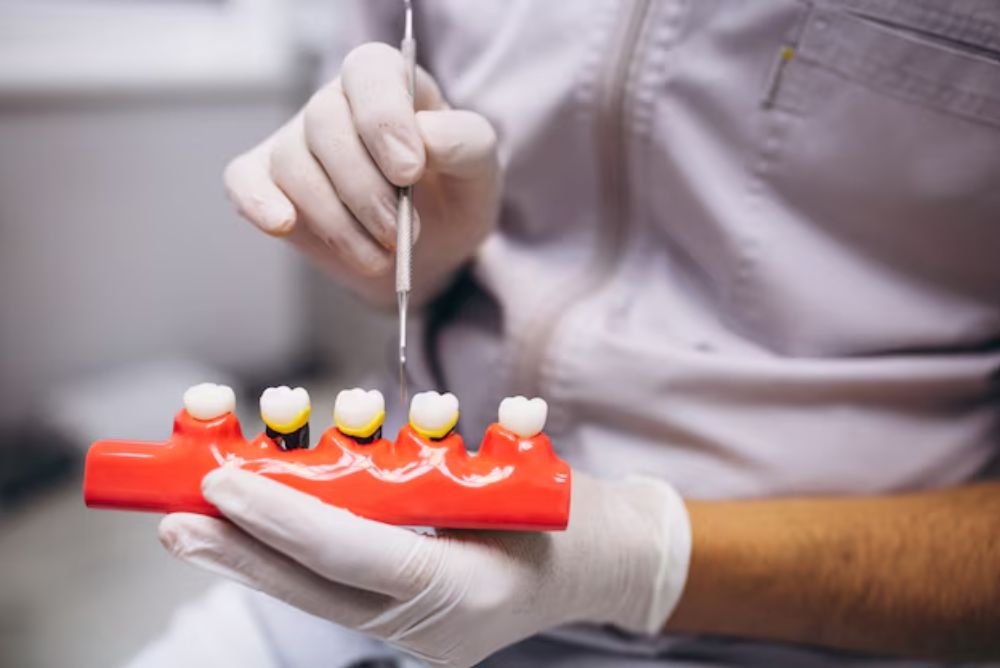
It is a professional procedure that removes plaque, tartar, and some surface stains from the teeth. Plaque is a sticky layer that can build up around the teeth and gumline. When plaque hardens into tartar, regular brushing cannot remove it completely.
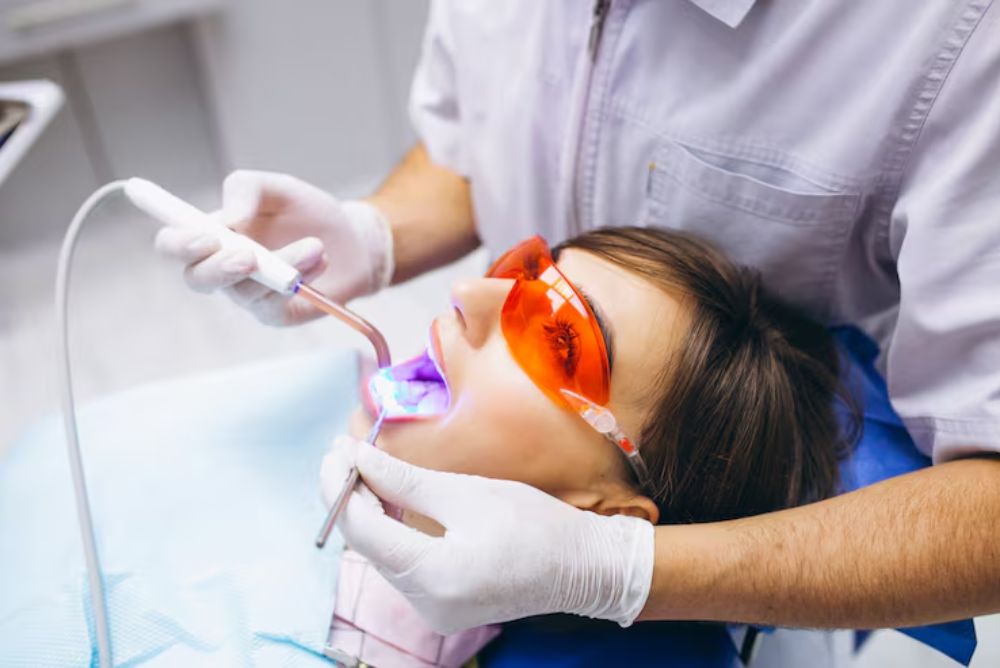
During a cleaning, the teeth are carefully cleaned and polished. The gums and other areas of the mouth may also be checked for signs that need further attention.
How Often Should You Get Your Teeth Cleaned?
For many adults, a professional cleaning every six months is a common schedule. However, some people may need cleanings more often if they have gum disease, a higher risk of cavities, or other oral health concerns.
The answer to how often you should get your teeth cleaned should be based on an assessment of your mouth rather than a fixed schedule for everyone.
Why Are Regular Cleanings Important?
A cleaning does more than make the teeth feel fresh. Removing buildup can support healthier teeth and gums and may help identify concerns before they become more difficult to manage.
Regular cleanings may help:
- Remove tartar that brushing cannot clear.
- Reduce the buildup of plaque around the gumline.
- Remove some surface stains.
- Support healthier gums
- Keep track of changes in oral health.
- Encourage better daily brushing and flossing habits.
A professional cleaning does not replace daily oral care. Brushing twice a day and cleaning between the teeth remain important between appointments.
How Often to Get Teeth Cleaned Based on Oral Health
How often you need a dental cleaning depends on your oral health. If your teeth and gums are healthy, you may only need regular cleanings. If you have gum problems, a dentist near you
may recommend more frequent visits.
More frequent cleanings may be considered when there is:
- A history of gum disease
- Frequent tartar buildup
- A higher risk of cavities
- Difficulty keeping certain areas clean
- Orthodontic appliances that make cleaning harder
- Other oral health concerns that require closer monitoring
A dentist in Riverdale can assess the condition of the teeth and gums and recommend a schedule that fits the current needs.
What Happens During Dental Exams and Teeth Cleaning?
Dental exams and cleanings are both important for keeping your mouth healthy, but they do different things. A cleaning removes plaque and buildup from your teeth. An exam checks your teeth and gums for cavities, gum problems, damaged teeth, and other issues.
A typical visit may include:
- Oral examination: The teeth and gums are checked for visible concerns.
- Professional cleaning: Plaque and tartar are removed from the teeth.
- Polishing: The teeth may be polished to help remove some surface stains.
- Personalized guidance: Brushing, flossing, or other daily care may be discussed when needed.
X-rays or other checks may be recommended when there is a specific reason to look more closely.
Can You Wait Until Your Teeth Hurt?
No. Dental problems do not always cause pain in the early stages. Waiting for discomfort before scheduling a cleaning or examination may allow a problem to progress without being noticed.
If you’re searching for a dentist near you, regular visits can help maintain a schedule based on the condition of the teeth and gums rather than waiting for symptoms to appear.
Signs You May Need a Cleaning
A professional dental cleaning may be helpful if you notice buildup or changes in your mouth. Signs may include:
- Hard buildup on your teeth
- Gums that bleed when you brush or floss
- Persistent bad breath
- Teeth that feel rough or coated
- Increased surface staining
These signs do not confirm a specific dental problem, but they are good reasons to have your mouth assessed.
Keep Your Cleaning Schedule on Track!
Staying consistent with professional dental cleanings can help keep plaque and tartar under control while giving your dental team a chance to monitor changes in your teeth and gums. Book an appointment with Le Dental Care to review your current oral health, discuss your cleaning needs, and choose a visit schedule that fits your individual needs.
FAQs
Is a dental cleaning every six months enough for everyone?
Not always. Many people have cleanings every six months, but your dentist may suggest a different schedule based on your oral health, tartar buildup, gum health, and other needs.
Can regular cleanings prevent cavities?
Cleanings remove plaque and tartar, but they cannot prevent every cavity. Brushing with fluoride toothpaste, cleaning between your teeth, and limiting sugary foods and drinks can also help protect your teeth.
Can a dental cleaning replace brushing?
No. A professional cleaning removes buildup that can be hard to remove at home. Brushing and cleaning between your teeth every day help keep plaque under control between dental visits.
Why do gums bleed during a cleaning?
Gums may bleed when they are swollen or irritated. If your gums bleed often or heavily, tell your dentist so they can check the cause.