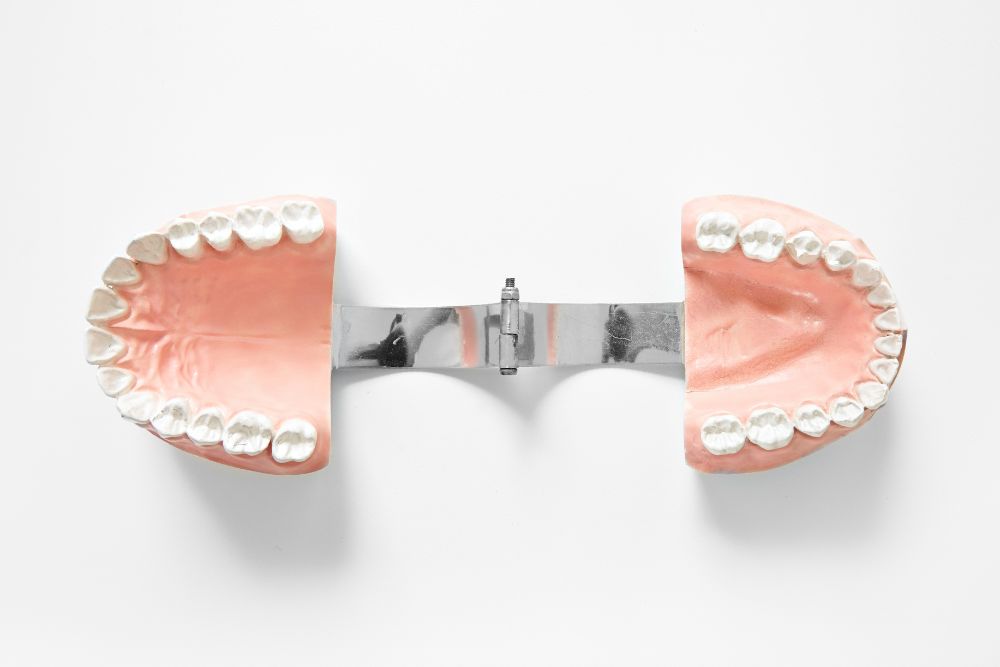

Can dentures help you get back to enjoying your favourite foods? Yes, dentures can make eating easier after tooth loss, but your mouth may need some time to adjust to the new appliance. Dentures near you can restore the appearance and function of missing teeth, yet chewing with a new set may feel different at first. Beginning with soft, easy-to-manage foods, taking smaller bites, and chewing slowly can help you become more comfortable.
There is no need to rush the adjustment. As eating starts to feel more natural, you can gradually bring firmer and more varied foods back into your meals. Giving yourself time to learn how your dentures feel while eating can help make everyday meals more comfortable and manageable.
Can You Eat With Dentures?
The answer to ” Can you eat with dentures is yes, although chewing may feel different at first. Dentures do not have the same connection to the jaw as natural teeth, so learning how to control them while eating takes practice.
At first, it can help to:
- Take small bites
- Chew slowly
- Use both sides of the mouth.
- Choose foods that are easier to chew
- Avoid very sticky or hard foods until eating feels more comfortable.
The adjustment period varies from person to person.
How to Eat With Dentures More Comfortably
Eating with dentures takes some time and practice. Start with soft, easy-to-chew foods to help you get used to your dentures and make eating more comfortable.
Good foods to begin with may include:
- Soft-cooked vegetables
- Eggs
- Yogurt
- Oatmeal
- Soft pasta
- Mashed potatoes
- Tender fish
- Soft fruits cut into small pieces
As chewing becomes easier, firmer foods can gradually be added.
Which Foods Can Be Difficult With Dentures?
Some foods can be harder to eat with dentures because they require more chewing or may stick to them. You do not always have to avoid these foods, but you may need to be more careful.
Foods that may be harder to eat include:
- Sticky candy
- Chewing gum
- Tough or chewy meat
- Hard raw vegetables
- Whole nuts
- Very hard or crusty bread
- Foods with small, hard pieces
Cutting food into small pieces or choosing softer foods can make eating easier and more comfortable.
Can You Eat Meat With Dentures?
You can eat meat with dentures, but tough meat can be harder to chew. Soft, tender meat is usually easier to eat than dry or chewy meat.
Helpful tips include:
- Choose tender cuts
- Cut the meat into small pieces
- Add moisture with suitable sauces or gravies
- Chew slowly and evenly
- Avoid trying to bite through large, tough pieces
A Dental Clinic in Riverdale, ON can assess how the dentures fit if chewing remains difficult after the adjustment period.
Can You Eat Hard or Crunchy Foods?
Hard and crunchy foods may be more difficult to chew because they require stronger, more controlled chewing. Biting directly into very hard foods can also place unnecessary pressure on dentures.
Instead of biting into a whole apple or hard vegetable, cut it into smaller pieces and choose softer preparation methods when possible. This can make the food easier to manage.
Why Does Eating Feel Different With New Dentures?
New dentures may feel strange at first because your mouth needs time to get used to them. Your tongue, cheeks, and jaw also need time to adjust when you talk and eat.
During this period, it is normal for some foods to feel harder to manage than others. If the dentures repeatedly move, cause sore areas, or make chewing difficult, an adjustment may be needed.
How Can You Keep Dentures Stable While Eating?
Dentures should fit well enough for everyday activities, but they may still move a little, especially when eating certain foods. Chewing on both sides of your mouth can help spread the pressure and make eating more comfortable.
If dentures frequently slip, click, cause irritation, or make it difficult to chew, the fit should be checked rather than simply trying to tolerate the problem.
When looking for a Dental Clinic near you, an examination can help determine whether the dentures need an adjustment or whether another concern is affecting comfort.
How Long Does It Take to Eat Normally With Dentures?
Everyone gets used to dentures at a different pace. Some people learn to eat with them quickly, while others need more time and practice. The type of dentures, how well they fit, your mouth health, and how easily you adjust can all make a difference.
You can make the process easier by:
- Starting with soft foods you already enjoy.
- Taking small bites.
- Slowly add firmer foods as you get used to your dentures.
- Chew on both sides of your mouth.
- Avoid foods that are hard to eat.
Get your dentures checked if they feel uncomfortable.
Ready to Enjoy Your Meals With Greater Ease?
Getting used to dentures can take time, especially when chewing different foods or adjusting to how they feel in the mouth. Book an appointment with Le Dental Care to discuss any concerns with chewing, comfort, fit, or denture movement and receive personalized guidance on caring for your dentures and making everyday mealtimes easier.
FAQs
Can you eat normally right after getting dentures?
You may not be able to eat normally right away. Eating can feel strange at first. Start with soft foods and slowly add firmer foods as you get used to your dentures.
Why do dentures move when eating?
Dentures may move if they do not fit well or if some foods put extra pressure on them. If your dentures keep moving, have them checked by a dental professional to see if they need an adjustment.
Can dentures affect the way food tastes?
Dentures can change how some foods feel in the mouth, and an upper denture may affect taste for some individuals because it covers part of the roof of the mouth. Adaptation varies.
What should you do if dentures hurt while eating?
Stop eating foods that make the pain worse. If the soreness continues, have your dentures checked by a dental professional. The dentures may need an adjustment if they do not fit well or put too much pressure on one area.